[Unitree Go2 part 4] Feed-forward Torque 실험
실제 Go2 deploy에서 부족해 보였던 torque margin을 확인하기 위해 gravity compensation 기반 feed-forward torque를 적용한 실험을 정리한다.
1. 현재 상황
이전 글에서는 Go2가 command에 따라 base를 기울이기는 하지만, 실제로 발을 충분히 떼지 못하는 문제를 확인했습니다. 뒷다리 stiffness를 높였을 때 로봇이 움직이기 시작한 것을 보면, 단순한 reward 문제뿐 아니라 실제 actuator가 만들어내는 torque margin도 원인 후보로 보였습니다.
이번 글에서는 그 가설을 확인하기 위해 feed-forward torque를 적용해보았습니다.
관찰한 내용은 다음과 같았습니다.
- Go2에 command를 줘도 발을 떼지 못하고 base만 command 방향으로 기울었습니다.
- 뒷다리 torque가 앞다리에 비해 약해 보였습니다.
- 뒷다리 stiffness를 높이자 움직임은 생겼지만, gait가 뻣뻣하고 불안정했습니다.
Policy가 출력하는 target position을 PD controller가 충분히 따라가지 못하고 있을 가능성이 있었습니다.
2. 실험 아이디어
/lowstate에서 읽은 현재 joint position과 /lowcmd로 넣는 target joint position을 비교했을 때, 약 0.2 rad 정도의 error가 발생하는 것을 확인했습니다.
이 error가 충분한 torque로 이어지지 못하면, hip이나 thigh는 base를 기울일 정도로 움직이지만 calf joint가 발을 들어 올릴 만큼 힘을 내지 못할 수 있습니다. 특히 Go2는 대각선 발을 번갈아 드는 gait를 만들어야 하는데, 뒷발 torque가 부족하면 swing motion이 깨집니다.
그래서 중력 보상 torque를 feed-forward로 추가해보기로 했습니다.
3. Gravity Compensation 적용
중력의 영향으로 각 관절이 버텨야 하는 torque를 계산하고, 이를 policy action으로부터 만들어지는 PD torque에 더해주는 방식입니다.
Isaac Lab simulation에서는 gravity compensation force를 계산할 수 있는 API가 있습니다. 학습 단계에서는 get_gravity_compensation_forces를 사용했습니다.
GravityCompJointPositionAction
1
2
3
4
5
6
7
8
9
10
11
12
13
14
15
16
17
18
19
20
21
22
23
24
25
26
27
28
29
30
31
32
33
34
35
36
37
38
39
40
41
42
43
44
45
46
47
48
49
50
51
52
53
54
55
56
57
58
59
60
from __future__ import annotations

import torch

from isaaclab.envs.mdp.actions import actions_cfg
from isaaclab.envs.mdp.actions.joint_actions import JointPositionAction
from isaaclab.utils import configclass


class GravityCompJointPositionAction(JointPositionAction):
    """Joint position action with model-based gravity compensation."""

    cfg: "GravityCompJointPositionActionCfg"

    def _get_generalized_gravity_forces(self) -> torch.Tensor:
        view = self._asset.root_physx_view
        for method_name in (
            "get_gravity_compensation_forces",
            "get_generalized_gravity_forces",
            "get_gravity_forces",
        ):
            method = getattr(view, method_name, None)
            if callable(method):
                forces = method()
                return torch.as_tensor(forces, device=self.device, dtype=self.processed_actions.dtype)
        raise AttributeError("Articulation view does not expose a gravity compensation method.")

    def apply_actions(self):
        super().apply_actions()

        if self.cfg.gravity_comp_scale == 0.0:
            return

        generalized_forces = self._get_generalized_gravity_forces()
        root_dofs = generalized_forces.shape[1] - self._asset.num_joints
        if root_dofs < 0:
            raise RuntimeError(
                "Gravity compensation vector is smaller than the joint dimension. "
                f"got={generalized_forces.shape[1]}, num_joints={self._asset.num_joints}"
            )

        joint_forces = generalized_forces[:, root_dofs:]
        feedforward_effort = joint_forces[:, self._joint_ids] * float(self.cfg.gravity_comp_scale)

        if self.cfg.gravity_comp_max_torque is not None:
            limit = abs(float(self.cfg.gravity_comp_max_torque))
            feedforward_effort = torch.clamp(feedforward_effort, min=-limit, max=limit)

        self._asset.set_joint_effort_target(feedforward_effort, joint_ids=self._joint_ids)


@configclass
class GravityCompJointPositionActionCfg(actions_cfg.JointPositionActionCfg):
    """Configuration for joint position control with gravity compensation."""

    class_type: type = GravityCompJointPositionAction

    gravity_comp_scale: float = 0.0
    gravity_comp_max_torque: float | None = None
deploy 단계에서는 Go2 URDF에서 각 link의 mass 정보를 가져오고, joint_pos와 base quaternion(IMU)을 입력으로 각 motor에 필요한 $\tau_{ff}$를 계산하는 구조를 사용했습니다.
이 방식의 목적은 policy가 서 있기 위한 torque를 만들려고 target position을 과하게 틀지 않도록 하는 것입니다. 중력에 저항하는 torque가 먼저 들어가면, policy가 더 자연스러운 발 궤적을 출력할 수 있을 것으로 기대했습니다.
4. 결과
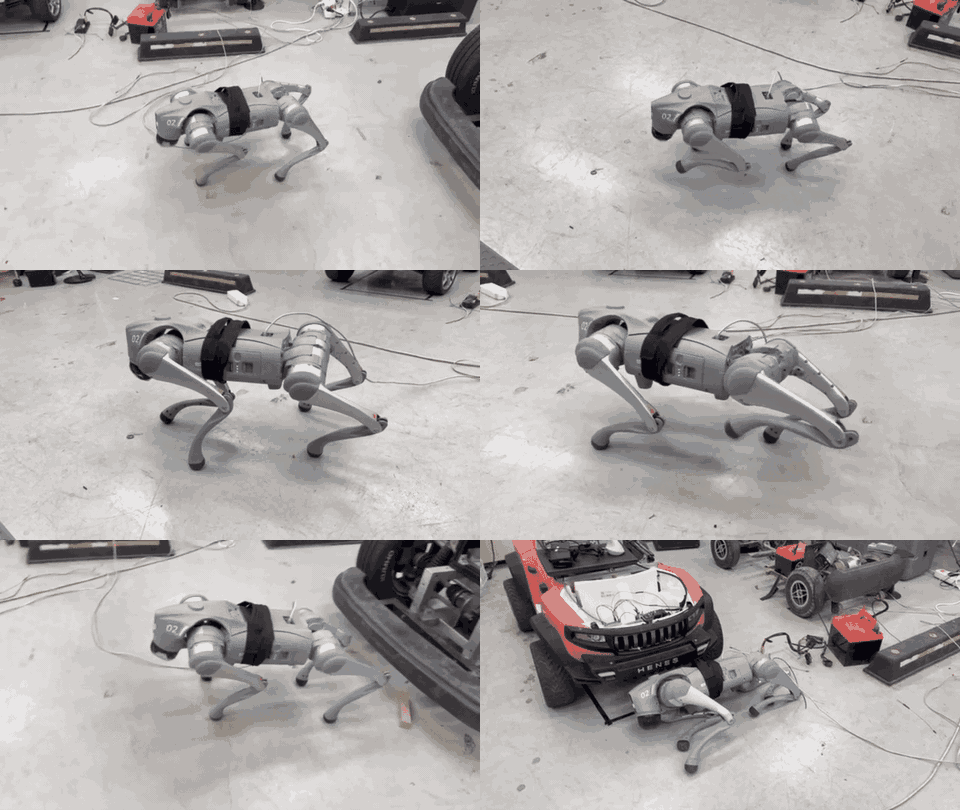
feed-forward torque를 적용하자, 이전보다 로봇이 실제로 움직이기 시작했습니다. 이 결과는 torque margin 문제가 존재한다는 가설을 뒷받침했습니다.
하지만 동시에 새로운 문제가 드러났습니다. 움직임이 자연스럽게 안정화되기보다는, 일부 joint가 과하게 접히고 base 자세도 불안정했습니다.
5. 남은 문제
걷는 동안 calf joint가 거의 끝까지 올라가는 것을 확인했습니다. 발을 끄는 동작에 penalty를 강하게 주면서, policy가 발을 과하게 드는 쪽으로 보상을 최적화했을 가능성이 있습니다.
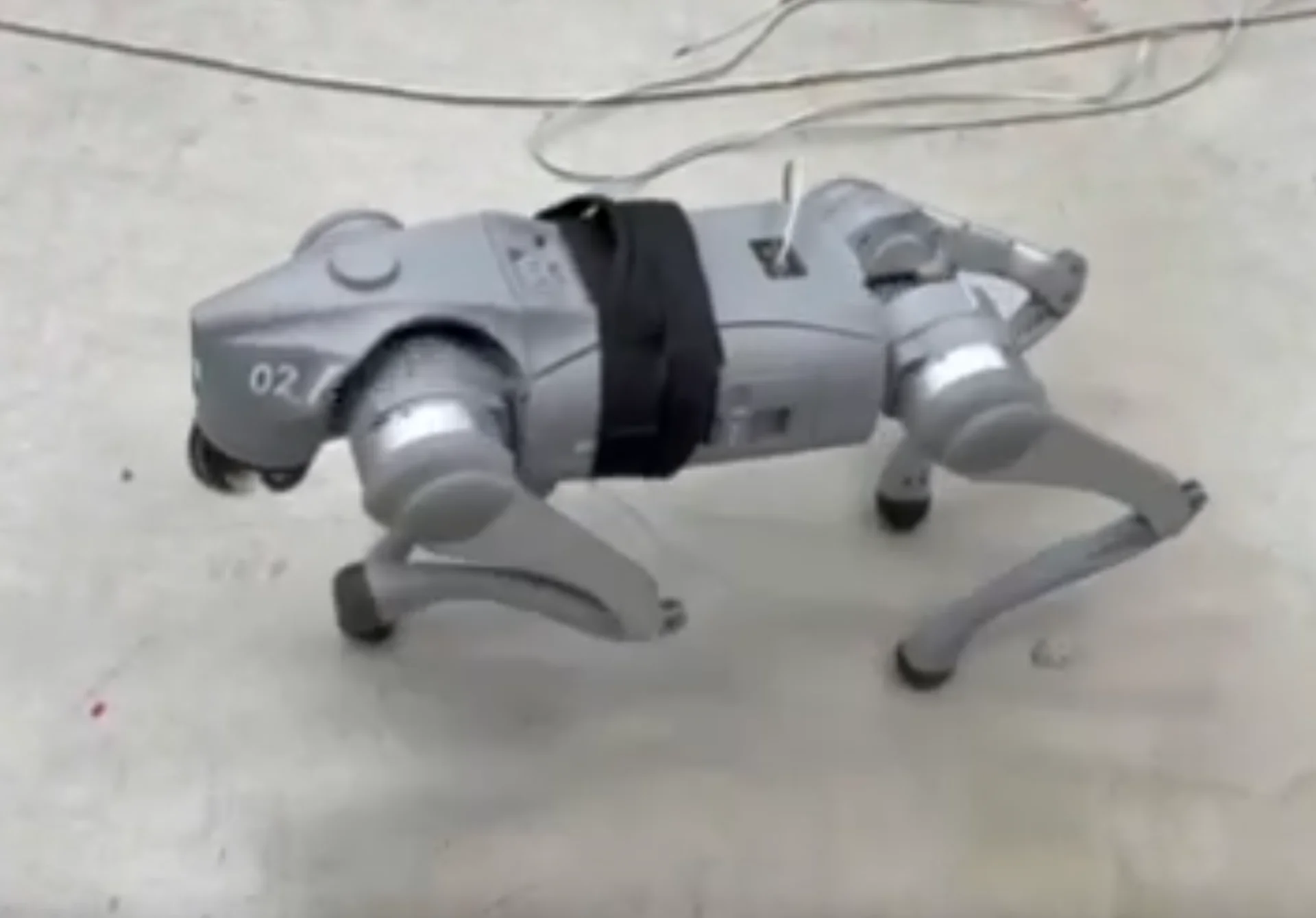
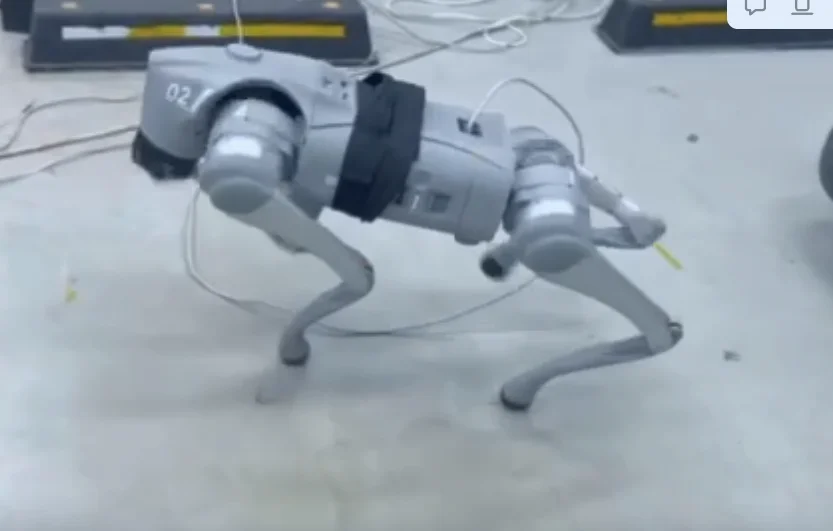
- 앞으로 이동할 때 base가 크게 기울어진 채 움직였습니다. 또한 대각선 발이 번갈아 움직여야 하는데, 같은 쪽 발이 같이 들리는 불안정한 gait가 나타났습니다.
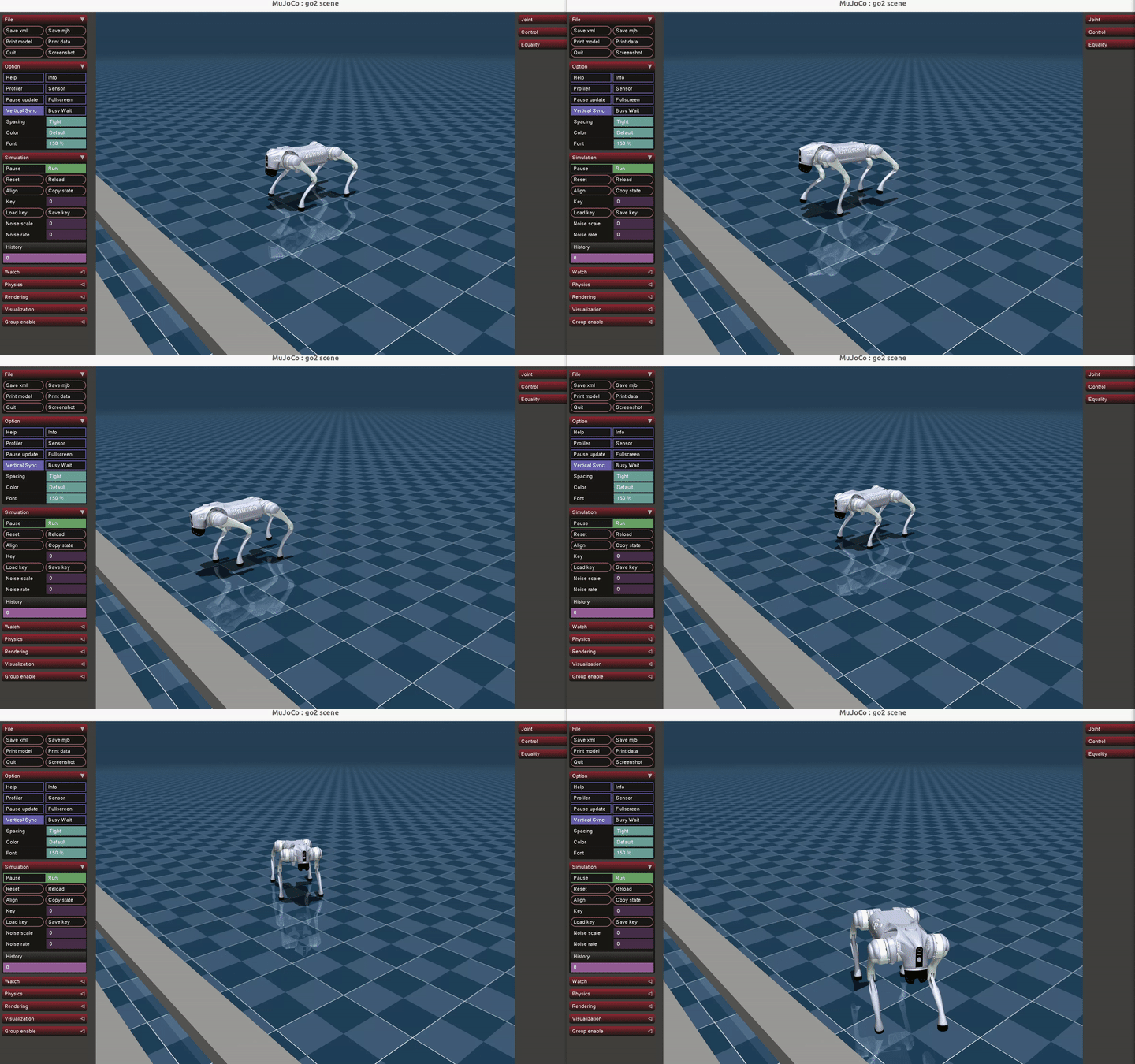
- MuJoCo에서도 Go2가 발을 통통 튀기며 걷는 경향이 있었습니다. 이 현상이 real robot으로 넘어오면서 더 과격하게 드러난 것으로 추정했습니다.
6. 정리
feed-forward torque는 real deploy에서 부족했던 torque margin을 확인하는 데 도움이 되었습니다. 다만 최종 해결책이라고 보기는 어려웠습니다.
deploy에서만 추가 torque를 넣으면, training에서 policy가 본 actuator model과 실제 deploy actuator model이 달라집니다. 문제를 줄이는 동시에 새로운 Sim2Real gap을 만들 수 있습니다.
다음 단계에서는 deploy controller를 복잡하게 만드는 대신, training 단계에서 real-world variation을 반영하는 방향을 더 강하게 고려해야 합니다.